This Ojibwa Reserve is a bit suspicious and is related to Carlton Agency Ojibwa Reserve. John Smith lived at Montana or where Blackfeet Reservation is. There's a Duck Lake 3.75 miles or 6 kilometers east of Babb, Montana. John Smith probably fled Montana during Montana's 1876-1877 War to the Cypress Hills of Alberta and Saskatchewan. Below are links to google earth photos of Beardy's and Okemasis Town and Demographics of this Reserve. I don't know if we should save this Reserve because they are descendants of Ojibwa Traitors of Ojibwa's who refused to fight. We'll name them South Saskatchewan River Ojibwa's. Each lived adjacent to South Saskatchewan River and adjacent to and south of Sasaskatchewan River. Adjacent to and north of Saskatchewan River and North Saskatchewan River are Ojibwa's who participated in 1885's Northwest Rebellion. Click here to read an old pdf book about "Agencies" that managed Canadian Ojibwa Reserves! The download will take time so be patient! The information it contains is very important. We have been told by prophesy to find evidence along a trail. Originally, it was only Carlton Agency Ojibwa Reserve. However, after 1885's Northwest Rebellion, a reduction in size of large Carlton Agency Ojibwa Reserve happened. It was separated! One became Carlton Agency Ojibwa Reserve while the other Duck Lake Agency Ojibwa Reserve. Original Carlton Agency Ojibwa Reserve was possibly headquarters of the Ojibwa Military during 1885's Northwest Rebellion. That be near where Muskeg Lake is. North Saskatchewan River was a boundary extending to it's mouth at Saskatchewan River. Ojibwa's living adjacent to and south of Saskatchewan River and South Saskatchewan River were Ojibwa Traitors led by John Smith (aka chief Peguis). John Smith relocated to Leech Lake Reservation at Minnesota where he died in 1922 at age 148. In 1876 he was wanted by American authorities for murders. John Smith was possibly John Tanner who wrote a book in the late 1820's or around 1830. We know he was chief Peguis because of an incident in which he was trying to protect a woman from an intoxicated Ojibwa man. The father of the intoxicated Ojibwa man intervened and cut the nose of chief Peguis or how it's written in Tanners book, chief Bagwais. Photos of John Smith clearly show a disfigured nose. John Tanner is thought to have murdered the brother of Henry R. Schoolcraft in 1846. It's claimed they found the body of Tanner in a bog near Sault Ste. Marie. Chief Peguis became a murderer after his nose was cut in 1802 or 1803. If anyone degraded his nose that person was either murdered by chief Peguis or sought saftey elsewhere. American authorities became respectful towards John Smith as he got older. Thus, he moved to Leech Lake Reservation. He may have been 120 to 130 years old when he relocated to Leech Lake Reservation. He became a sort of celebrity during his final years a Leech Lake Reservation. During his long life his height decreased by as much as five to six inches. His tallest height was possibly 5'8 to 5'10. At time of his death his height was 5'2 to 5'4. Photos of John Smith are below. He was a mixed blood! Duck Lake Agency Ojibwa Reserve belongs to him.
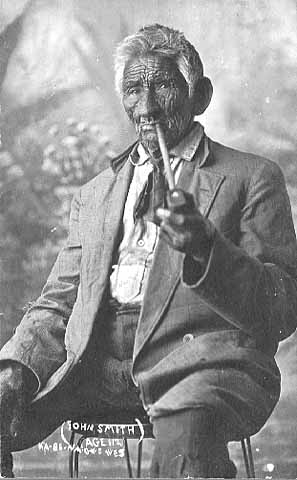
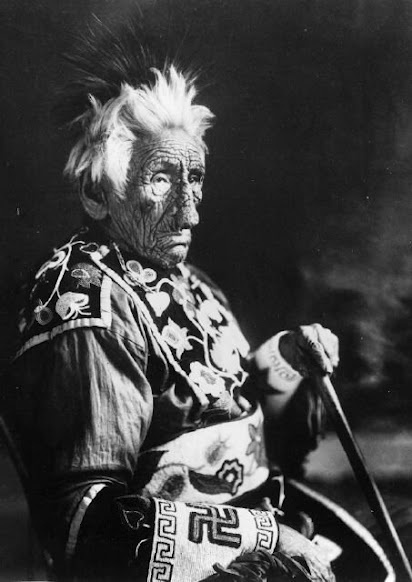
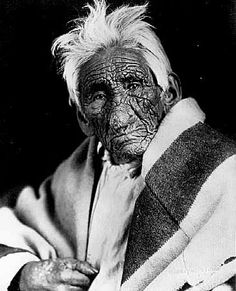
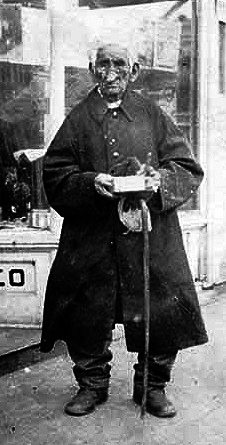
Ojibwa's who lived adjacent to and north of Saskatchewan River and North Saskatchewan River were the most hostile! After the conflict, large Carlton Agency Ojibwa Reserve was in disaray. Many Saulteaux Ojibwa's became stragglers (within new Carlton Agency Ojibwa Reserve) or refused to accept new treaty establishing a much smaller Reserve. However, over time they took treaty. First agent for Duck Lake Agency Ojibwa Reserve was appointed on October 27, 1887. First agent for Carlton Reserve was also appointed on October 27, 1887. Historical evidence indicates an agent for original Carlton Agency Ojibwa Reserve was active in 1876. Canadian leaders knew much land north of Saskatchewan River was agriculture land. That be from Prince Albert and slightly to the north and west to Alberta. After Canadian leaders set aside Ojibwa land north of Saskatchewan River for an Ojibwa Reserve, they could not control their greed and selfishness. They constantly bothered chief Big Bear and other Ojibwa leaders about Reserve land cessions. They refused! In early 1885, whites and mixed bloods contacted Louis Riel and requested for his help in establishing white settlements within the large Ojibwa Reserves north of Saskatchewan River. It led to 1885's Northwest Rebellion and the execution of Louis Riel for starting that conflict.
Unrest happened at this Reserve in the 1890's. There may have been a minor rebellion between 1895-1897. Almighty Voice was defiant! He was accused of killing a government cow and was arrested and jailed. He supposedly thought he was going to be executed. He made his escape on October 22, 1895 and for nearly 2 years, police searched for the defiant Ojibwa leader. On October 29, 1895, police caught him near Kinistino, Saskatchewan. Almighty Voice shot the officer dead! Canadian authorities took it seriously and offered a $500 bounty on Almighty Voice in April 1896. Descriptions of how Almighty Voice was killed, indicate there was possibly a minor rebellion. There were several skirmishes. Then on May 30, 1897, Almighty Voice, Topean his brother-in-law, and Little Saulteaux were killed. They reported that the whites used a 9 pound field gun. News reports from those times, reported that Almighty Voice may have been in the Great Falls, Montana region during his rebellion. That's an indicator of Montana Ojibwa's being relocated to the Duck Lake region during 1896's forced relocation of Montana Ojibwa's living at their large Ojibwa Reservation between Great Falls and Helena.
After 1885's Northwest Rebellion, Duck Lake Agency Ojibwa Reserve was created. It includes these following Districts: Beardy's; Big Head; Chakastapasin; Cumberland; James Smith; John Smith; Okemasis; One Arrow. Canada was continuing to have difficulties with chief Yellow Quill because he again shows up under Kinistino (1906) and Nut Lake (1906) as being affiliated with Duck Lake Agency Ojibwa Reserve. However, Canada probably agreed to accept many Montana Ojibwa's in 1906 and settled them at Duck Lake Agency Ojibwa Reserve. Big Head was amalgamated with Cumberland then James Smith. Both James Smith and John Smith (he was chief Peguis) supposedly came up from the Ojibwa St. Peters Reserve at south Manitoba. They are so brainwashed they think they are not Ojibwa now! Below is a list of Ojibwa Districts of the original 1876 Carlton Agency Ojibwa Reserve. Before that, there is a list of Duck Lake Agency Ojibwa Reserve Districts.
The original Carlton Agency Ojibwa Reserve was located adjacent to Saskatchewan River and extended from Meadow Lake on it's northwest, as far south as Saskatchewan River. Thus, the reason for including Jackfish Lake Saulteaux Ojibwa's. It extended as far east as James Smith or just east of where South Saskatchewan Rivers mouth is. It was a very large Reserve. It extended over 150 miles from east to west and possibly 150 miles from north to south. Meadow Lake, Pelican Lake (aka Chitek Lake) and Witchekan Lake Saulteaux Ojibwa's must be listed with Kinematoyo. They are Saulteaux Ojibwa's who are descendents of chief Big Bears Ojibwa Subjects. I suspect Ojibwa leaders and Canadian leaders reached treaty agreement, to set aside large Ojibwa Reserves from Saskatchewan River and to it's north. Duck Lake Agency Ojibwa Reserve's (it was created in 1887 or about two years after 1885's Northwest Rebellion) correct boundaries are not known. Land on both sides of South Saskatchewan River from Beardy's/Okemasis and One Arrow to Muskoday (John Smith) then continues following South Saskatchewan River to it's mouth at Saskatchewan River then to James Smith/Cumberland is Duck Lake Agency Ojibwa Reserve or the boundaries of Duck Lake Ojibwa Reserve. John Smith was chief Peguis which means Ojibwa's of Duck Lake Agency Ojibwa Reserve did not participate in 1885's Northwest Rebellion. We must exclude Beardy's, James Smith, John Smith (Muskoday), Okemasis and One Arrow as being participants in 1885's Northwest Rebellion. They were Ojibwa Traitors!
Beardy - 1888
Big Head - 1892 (A part of James Smith)
Chakastapasin - 1888 (A part of James Smith)
Cumberland - 1888 (A part of James Smith)
James Smith - 1888
John Smith - 1888 (aka Muskoday)
Kinistino - 1906 (chief Kinistin - needs further research)
Nut Lake - 1906 (chief Yellow Quill - needs further research)
Okemasis - 1888
One Arrow - 1888
Beardy - 1876
Big River - 1878 (originally led by chief Flying Dust in 1878 - Stragglers from Jackfish Lake Saulteaux Ojibwa's that amalgamated with Delarond Lake, Pelican Lake and Whitefish Lake Ojibwa's under chief Kenematoyo in 1888 - historical information indicates they possibly fled Montana around 1876-1877)
Chakastapasin - 1876 (likely very hostile - Canada refused to recognize them in 1898 - they amalgamated with James Smith - possibly from chief Yellow Quills Ojibwa Subjects)
Cumberland - 1886 (possibly from chief Yellow Quills Ojibwa Subjects and Cumberland House - they joined James Smith)
James Smith - 1876
John Smith - 1876 (aka Muskoday)
Okemasis - 1876
Meadow Lake - 1878 (aka Flying Dust - Stragglers from Jackfish Lake Saulteaux Ojibwa's)
Kinematoyo - 1876
Mistawasis - 1876
Muskeg Lake - 1876
Pelican Lake - 1889 (originally listed under chief Kinematoyo)
Sandy Lake - 1876 (aka Ahtahkakoop)
Sturgeon Lake - 1876 (includes Little Red River 106C and 106D and Montreal Lake 106B)
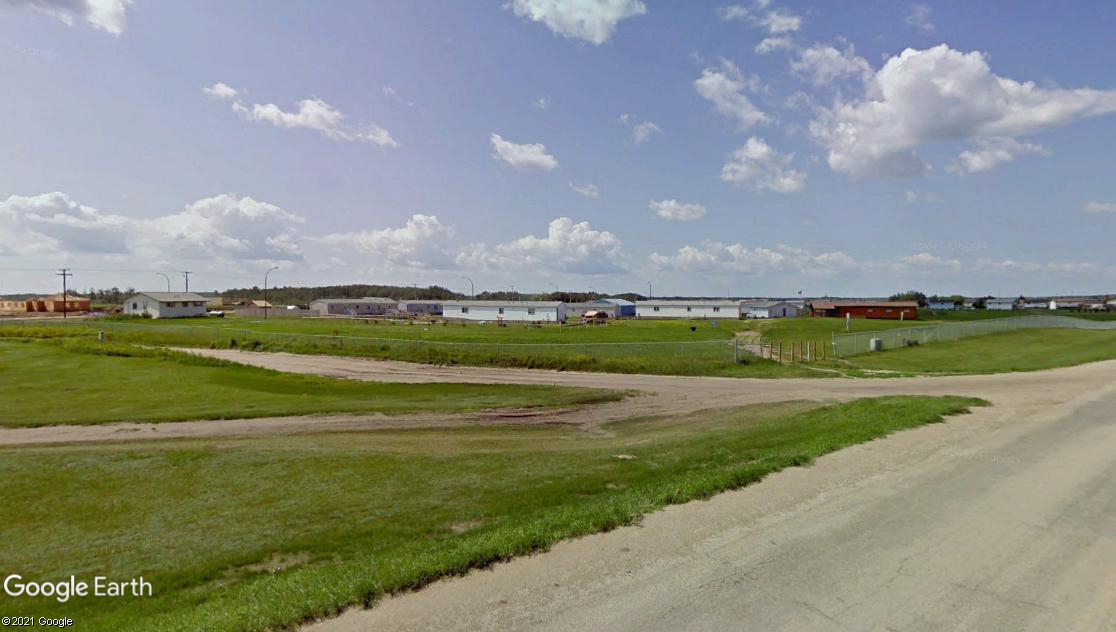
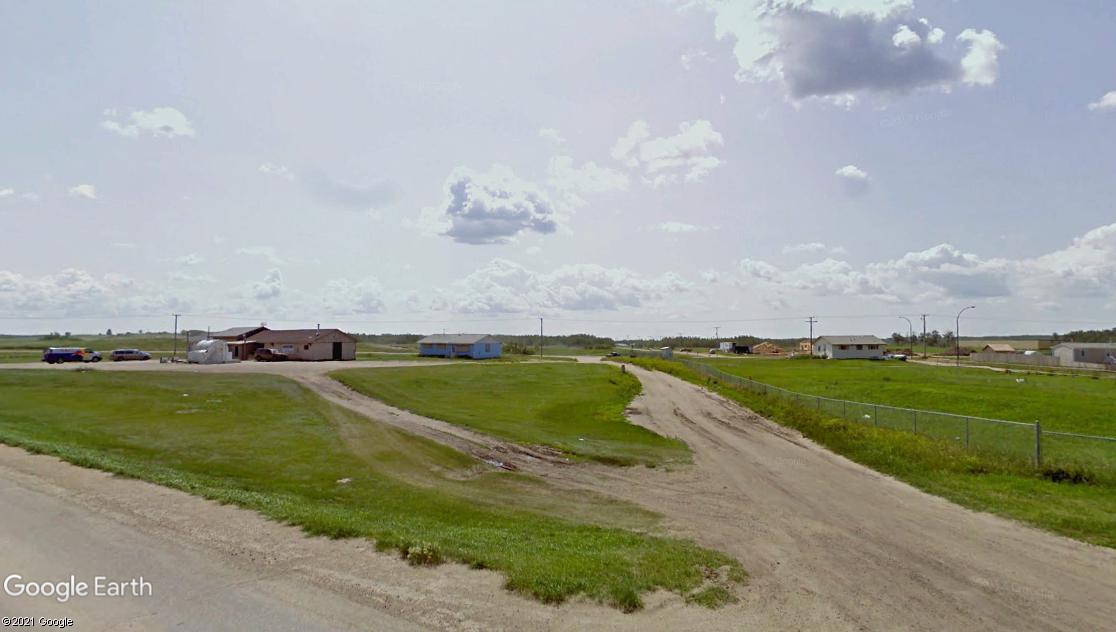
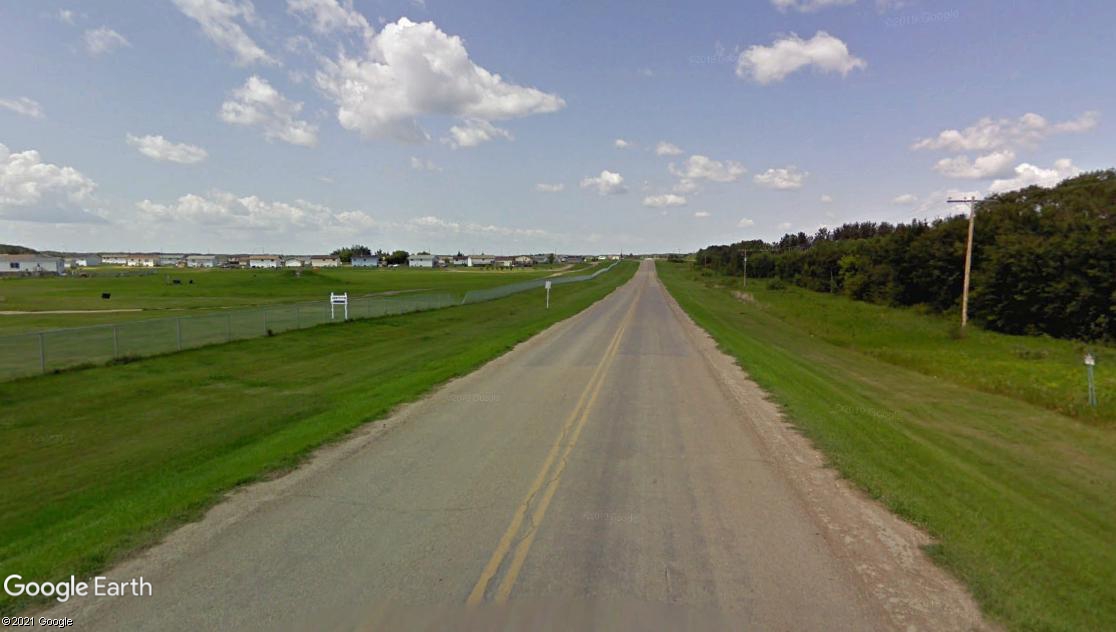
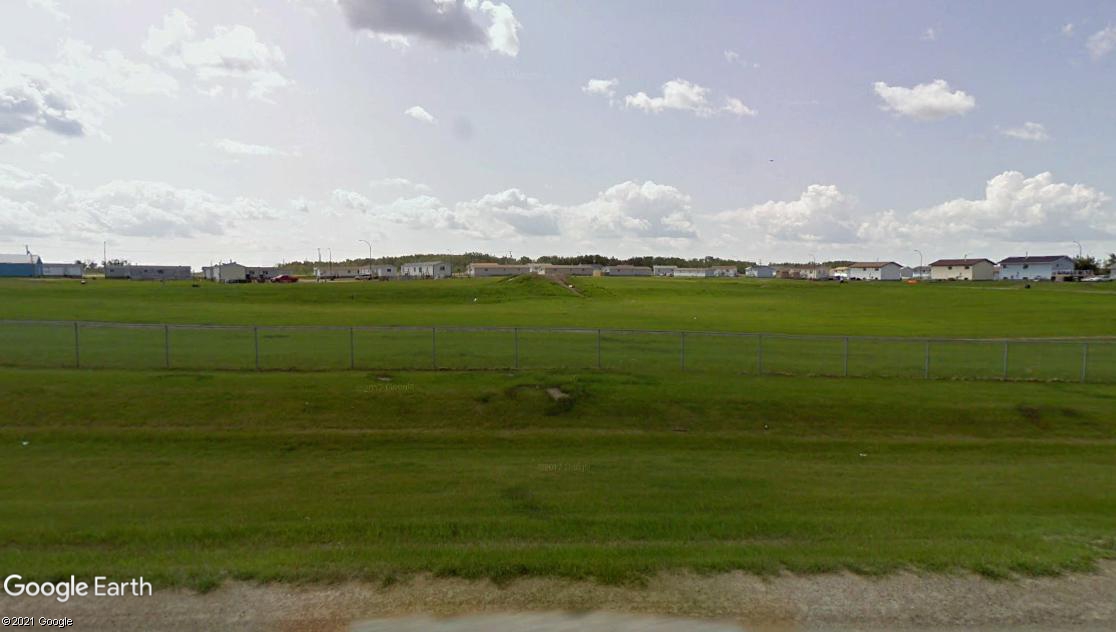
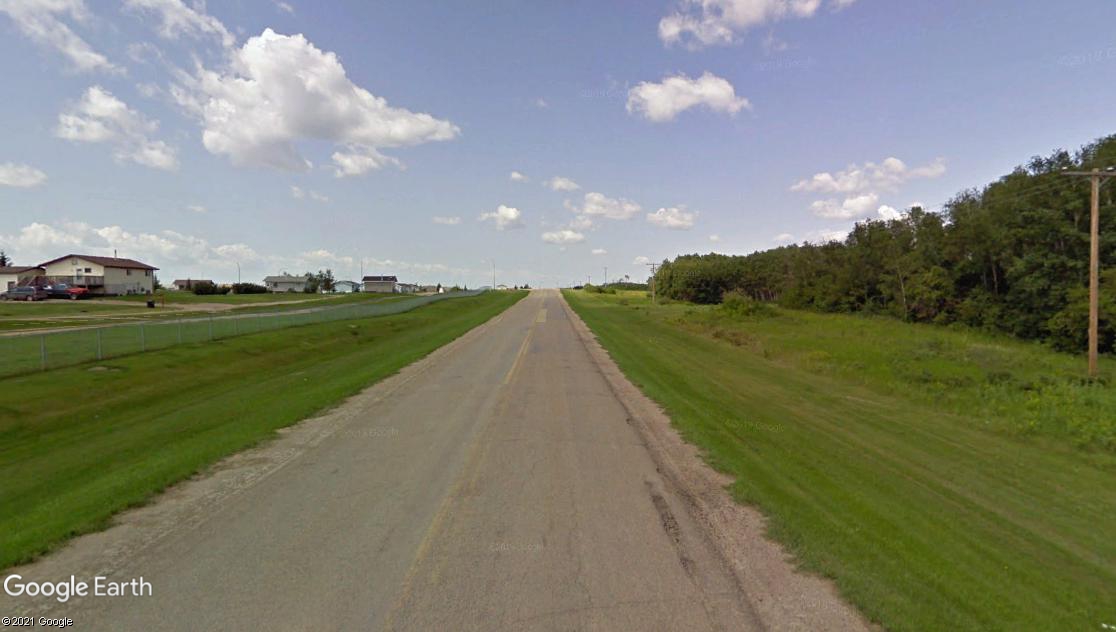
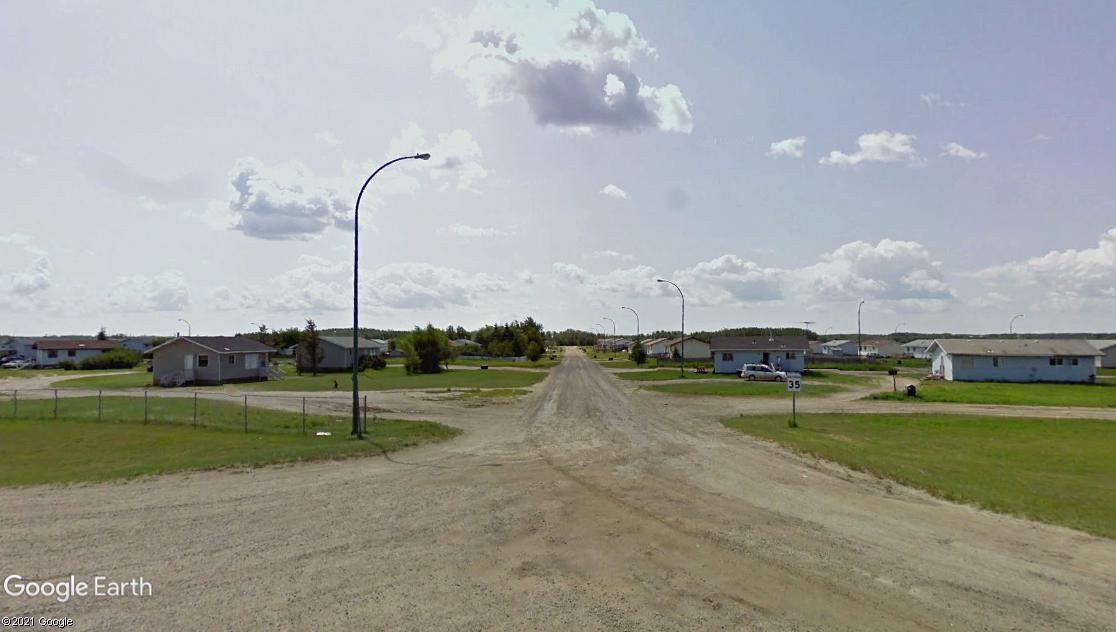
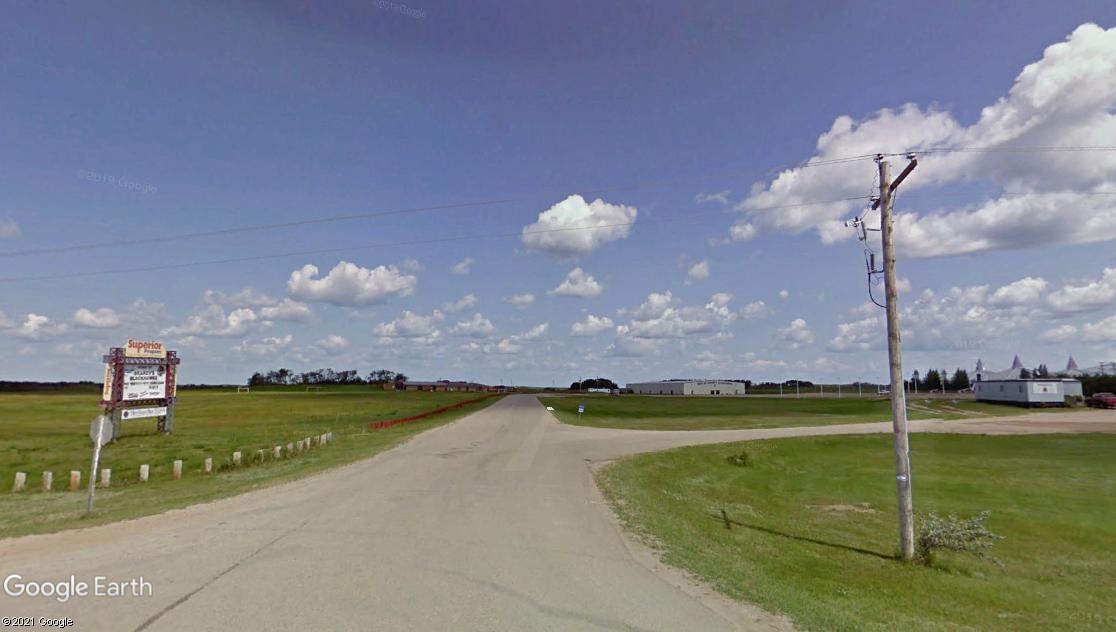
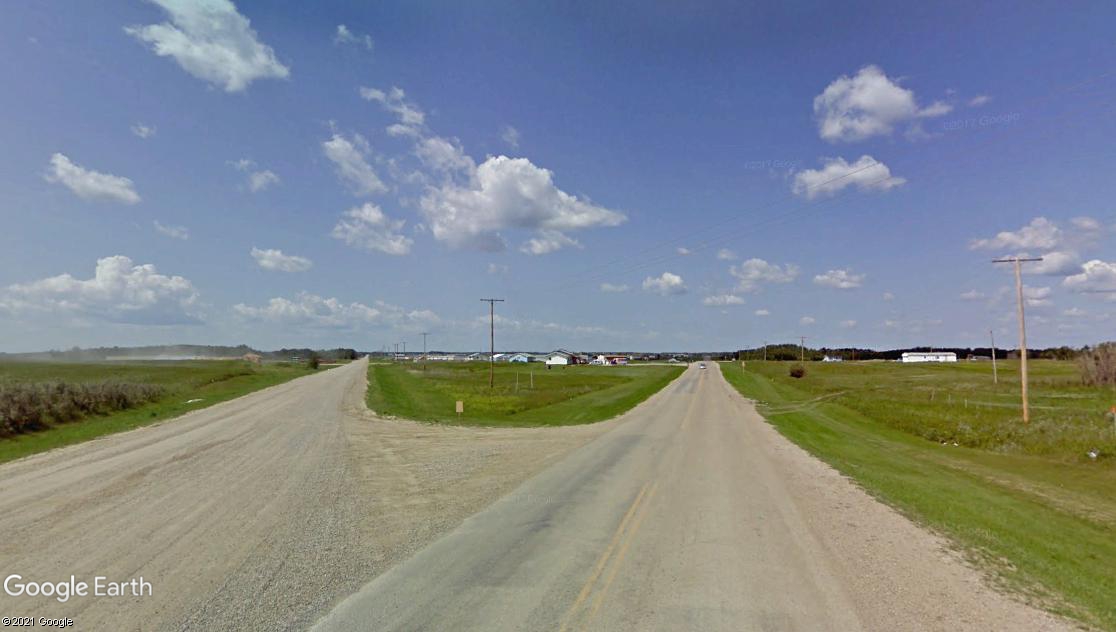
Beardy's-Okemasis Road View
Beardy's-Okemasis Road View
Beardy's-Okemasis Road View
Beardy's-Okemasis Road View
Beardy's-Okemasis Road View
Beardy's-Okemasis Road View
Beardy's-Okemasis Road View
Land Area: Unknown! Probably 2,000 to 3,000 sq. mi. or 3,219 to 4,828 sq. km.
Population: 3,763
Language: Ojibwa and Corrupted Ojibwa